
Before it became a digital hit played by millions on their smartphones, the Spelling Bee was a humble print puzzle in the New York Times Magazine. Its journey to become a staple of the NYT Games family is a salute to the lasting power of simple, exquisite wordplay.
The Age of Print
The puzzle was originally published in the Sunday Magazine section. In print it often was tucked away near the crossword, a quick linguistic exercise for weekend readers. The rules were the same as they are now - find as many words as you can using seven letters, always including the center letter. During this era, many players kept their own spelling bee archive in notebooks to track their progress.
The Digital Shift
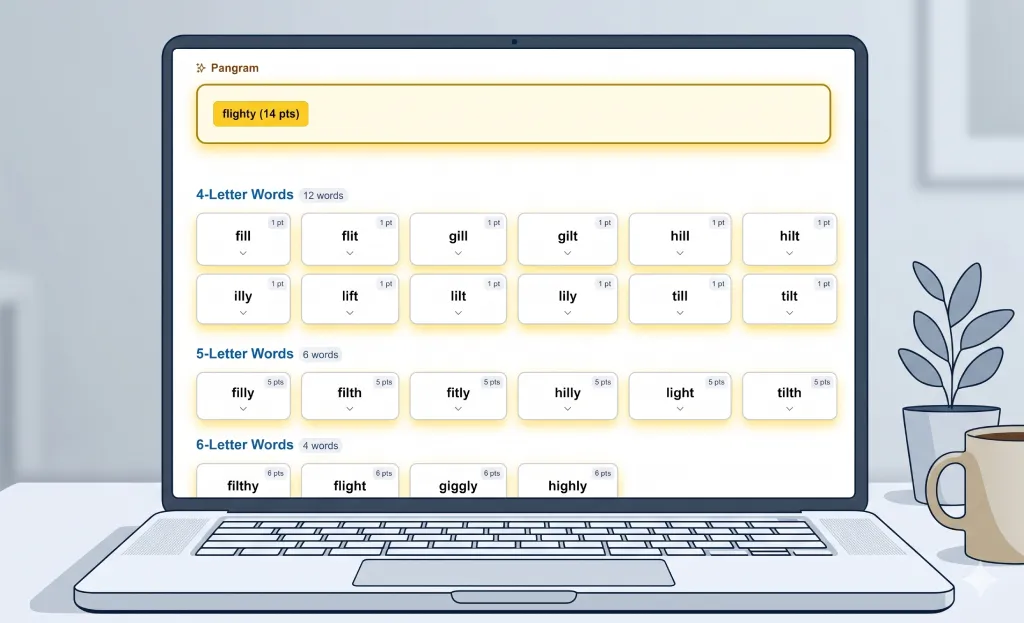
In 2018, The NYT started the digital edition of the Spelling Bee, edited by Sam Ezersky. The digital shift also brought quick feedback, point tracking and the introduction of the now-famous rating system from “Beginner” to “Genius.” This version allowed players to instantly see if they had found one of the official spelling bee solutions.
The “Queen Bee” Syndrome
In no time, the game took off in the digital community. The name "Queen Bee" (finding every single word in a problem) was not originally part of the official game interface, but was taken from the player community and later added to the app. For those struggling to reach this rank, our nyt spelling bee hints became an essential companion.
Today the Spelling Bee is no longer just a game. For millions it is a daily rite. Whether you’re cross-checking your work with our spelling bee solutions or seeking for that last pangram, you’re part of a long legacy of word enthusiasts. If you ever find yourself completely stumped, our spelling bee solver is always ready to assist.