
When you open the NYT Games app before your first cup of coffee, there’s a strong psychological phenomena at play. But the Spelling Bee isn’t just a word game. It’s a precisely crafted “dopamine machine” that exploits the way our brains interpret patterns and rewards.
The Zeigarnik Effect
Psychology informs us that our brains dislike unfinished business. That’s called the Zeigarnik Effect. Your brain continues in a tense state until you do that work . So when you look at a honeycomb with 3 words found and a Genius rank still miles away . That’s why you often find the “perfect” word while doing something else, like driving or showering—your brain never stopped searching for it.
Flow and Pattern Recognition
Humans have evolved to look for patterns. Finding a pangram, or a complicated 7-letter word, is a hit of dopamine, the “Aha!” reaction. When the puzzle difficulty is just right, you reach a “flow state” when time evaporates and the hive is all you can think about. Using the nyt spelling bee hints keeps this flow going without the aggravation of reaching a wall.
Cognitive Advantages
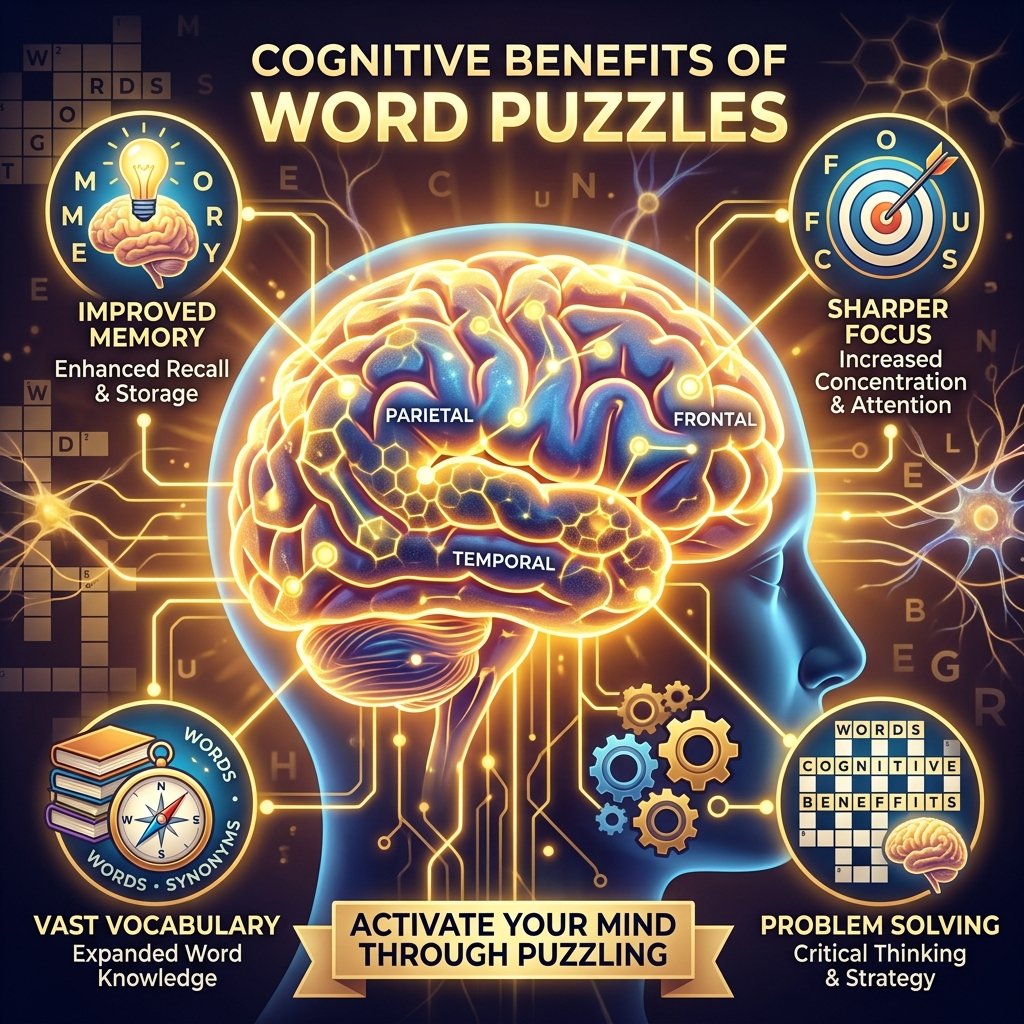
Besides the enjoyments, the Spelling Bee keeps neuroplasticity alive. It makes you dig for rare word and juggle phonemes in your thoughts, which is great workouts for the prefrontal cortex. This mental exercise is similar to studying complex scripps word lists.
The next time you’re stressing over a missing “S” word, remember: this is not just a game, it’s science! If you need the final answer to close the loop, our spelling bee solutions are always available.